Two books to help develop characters with depth
As writers and editors, we’re always on the lookout for resources that will help us and our clients hone our writing craft. Today, let’s look at two books that can help you create believable, compelling characters.
In many ways, your main character drives your story. How they react to the plot is unique to their personality. Whether your premise is, “There’s an asteroid pointed right for Earth!” or, “How am I going to deal with my husband’s infidelity,” who your MC is determines what comes next.
So whatever kind of story you’re working on, it’s a good idea to be sure you understand your characters’ motivations. If you don’t understand where your characters are coming from, how will you know where they are going? This is a part of your story planning you can’t afford to skip over.
After all, if you don’t understand your characters, how will your readers understand them?
Here are a few books that might help you get things in order.
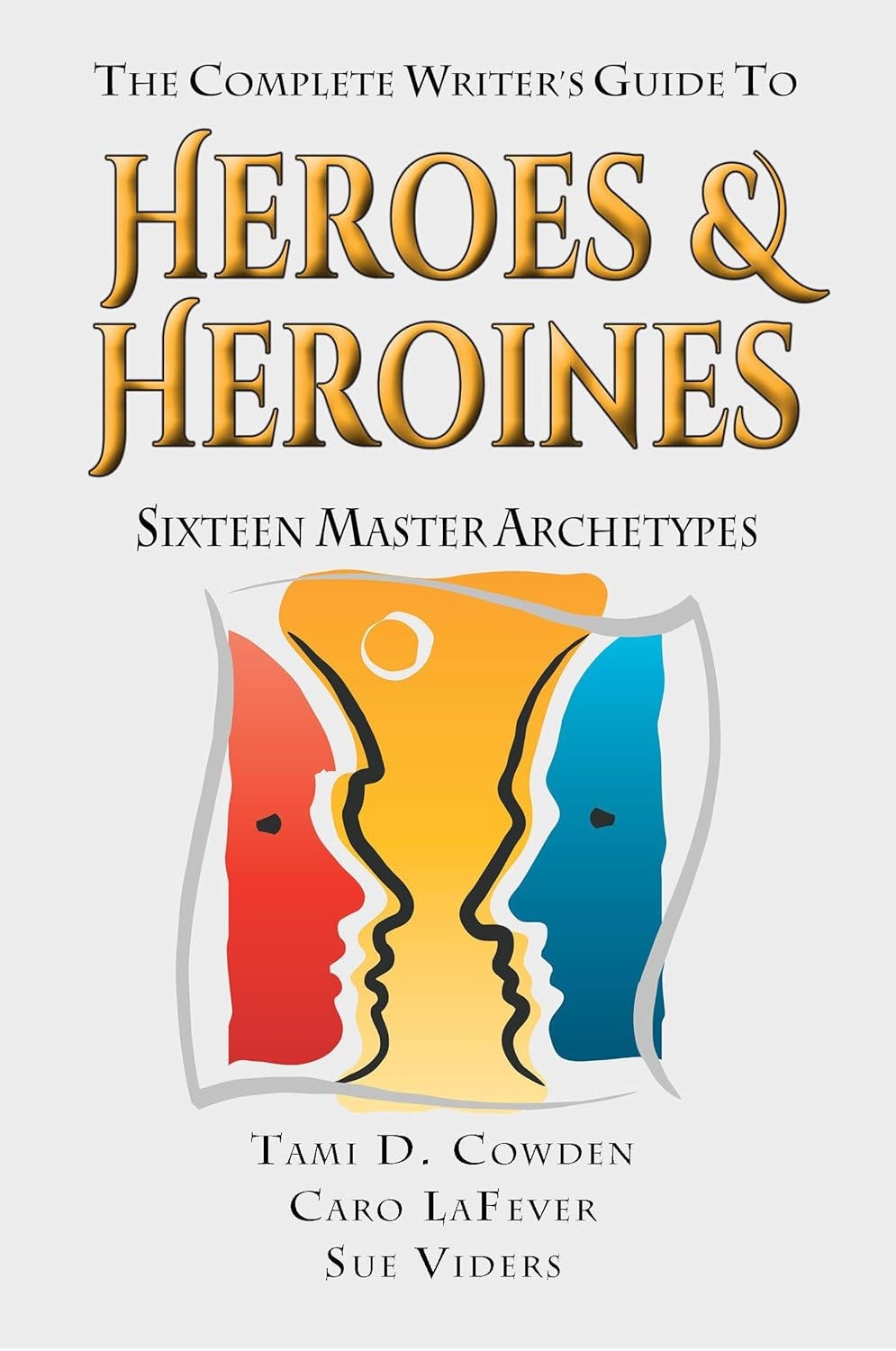
Heroes & Heroines: Sixteen Master Archetypes, by Tami D. Cowden, Caro LaFever, and Sue Viders
Identifying your MC’s archetype can be a great way to line up their internal and external conflicts. If you can get to the root of who they are, you will know what drives them, and you can create realistic responses to situations.
Just as there are a limited number of story types (at least according to Save the Cat), there are also a limited number of character archetypes. But there are almost unlimited numbers of ways those archetypes can manifest, just as with plots. And that’s the fun part for you, the writer—you get to add your vision to these universal story truths and create something unique and wholly yours.
Heroes & Heroines: Sixteen Master Archetypes is a great resource to help you create compelling characters. It offers eight hero archetypes and eight heroine archetypes. The book also matches up all sixteen in different pairings, so you can see how relationships might unfold based on how two characters might react to each other. Which, as you can imagine, is perfect for romance writers.
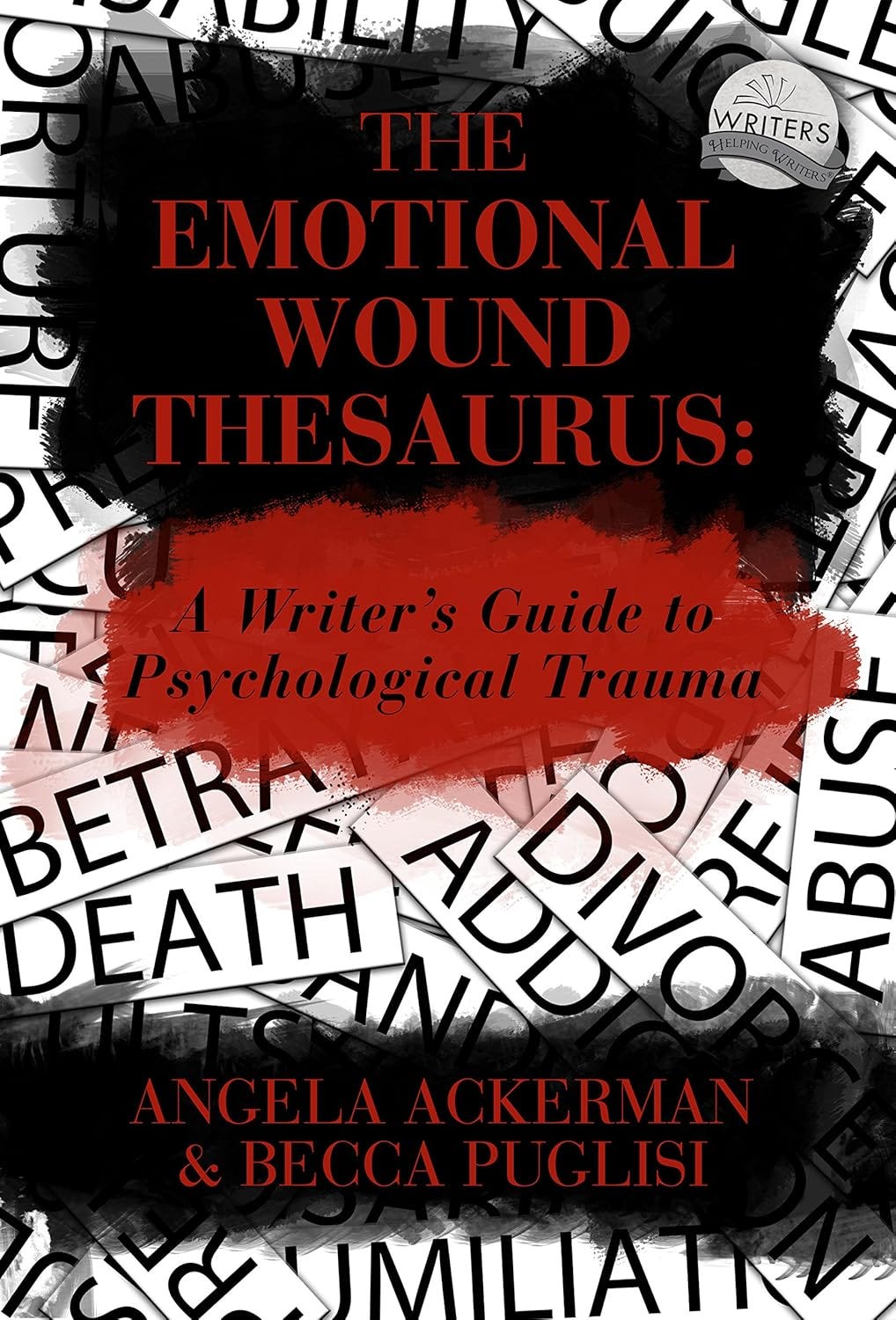
The Emotional Wound Thesaurus, by Angela Ackerman and Becca Puglisi
If you want to get into the nitty gritty of how an event in your character’s past might affect their current situation, consider checking out the Emotional Wound Thesaurus. The layout of the book makes it easy to look up many common traumatic events and find lists of examples of ways this trauma could manifest in your character’s life, as well as other helpful pieces of information, such as false beliefs and fears your character might have, what triggers might set off a response to the trauma, and opportunities your character might have for growth.
All of this can be helpful when understanding how your character’s makeup determines how they react to the plot of your book. And it’s those reactions that will propel your story forward in a believable way. You’ll be able to know what they need to overcome, and what might be stopping them from getting what they really want.
Since the Emotional Wound Thesaurus is full of, well, rather depressing things, it can be a bit of a bummer, so be prepared before you dive in and maybe have some cute cat videos queued up to watch when you’re done!
Bonus: this book is the sixth in a ten-book series, titled “Writers Helping Writers,” so be sure to check out the rest of the books to see if there’s anything else that might help you on your writer’s journey.
Got a book rec you’d like to share with us? We’d love to hear it!
This post contains affiliate links.